A comprehensive look at Aluminum Foundry and its impact on casting success
Wiki Article
A Comprehensive Overview to the Manufacturing Techniques Employed in an Aluminum Foundry
The production strategies used in aluminum shops are varied and critical to the sector. Each approach, from sand casting to additive production, uses unique benefits customized to particular production requirements. Understanding these strategies can significantly influence item quality and performance. As the need for innovative manufacturing remains to grow, the relevance of grasping these methods can not be overemphasized. What implications do these improvements hold for the future of light weight aluminum manufacturing?Recognizing Aluminum Alloys and Their Residence
Aluminum alloys play a necessary role in the manufacturing procedure due to their diverse residential or commercial properties and applications. These alloys are primarily categorized into 2 teams: wrought and cast alloys, each with distinctive characteristics. Wrought alloys, such as the 6000 and 7000 series, are understood for their superb strength-to-weight ratio and deterioration resistance, making them suitable for structural applications. On the other hand, cast alloys, including the 2000 and 3000 collection, exhibit remarkable fluidity and can be conveniently formed into intricate forms.
The particular buildings of light weight aluminum alloys, such as tensile strength, ductility, and thermal conductivity, are influenced by their chemical structure and processing methods. Components like silicon, copper, and magnesium are generally included in boost these residential or commercial properties, customizing the alloys for specific usages in aerospace, vehicle, and construction markets. Recognizing these alloys and their behaviors is essential for optimizing production procedures and making sure high-quality outcomes in light weight aluminum Foundry procedures.
Sand Casting: A Standard Method for Light Weight Aluminum Manufacturing
Sand casting is an extensively made use of strategy in light weight aluminum production that entails producing a mold from sand to shape the steel. This technique supplies numerous benefits, such as cost-effectiveness and the capability to create complicated forms, while also offering particular downsides, consisting of surface area finish restrictions and slower manufacturing prices. Aluminum Foundry. Comprehending both the process and its cons and pros is important for assessing its viability in numerous applicationsRefine Introduction
One of the most long-lasting methods in steel spreading, sand spreading offers a trustworthy method for creating aluminum elements. This process begins with producing a mold and mildew from a blend of sand and a binding representative, which is shaped to match the desired component. Once the mold is ready, molten aluminum is poured right into the tooth cavity, enabling it to fill up the area and take on the mold's shape. After cooling down, the mold and mildew is damaged away to disclose the actors light weight aluminum component. Any essential completing processes, such as machining or surface area treatment, can after that be used to attain the final specs. Sand casting is commonly utilized as a result of its versatility, allowing the manufacturing of intricate forms and varying dimensions effectively.Drawbacks and benefits
The sand spreading process offers an unique set of advantages and drawbacks that influence its application in light weight aluminum manufacturing. One substantial advantage is its adaptability, enabling for the manufacturing of complicated sizes and shapes. Additionally, sand spreading is affordable for low to medium production volumes, calling for marginal tooling. It additionally has downsides, such as reduced dimensional accuracy and surface coating compared to more sophisticated techniques. The procedure can be labor-intensive, needing skilled labor for mold and mildew preparation and pouring. The manufacturing price may be slower, limiting its performance for high-volume applications. Generally, while sand spreading continues to be a viable alternative for many light weight aluminum components, its restrictions should be taken into consideration in the context of details manufacturing demands.Die Spreading: Precision and Performance in Production
Pass away casting stands as a keystone of light weight aluminum Foundry manufacturing, offering unparalleled accuracy and performance. This technique includes requiring molten light weight aluminum right into a steel mold and mildew under high stress, resulting in extremely exact and regular elements. The procedure permits detailed styles and tight resistances, making it optimal for applications in automotive, aerospace, and durable goods.The efficiency of die spreading appears in its quick manufacturing prices, which substantially lower lead times. In addition, the technique decreases waste, as excess steel can be recycled. The sturdiness of die-cast elements enhances the longevity of items, reducing the need for constant replacements.
Moreover, pass away spreading sustains different surface area coatings and secondary procedures, including in its flexibility. This mix of precision, material, and rate preservation positions die casting as a recommended selection for producers seeking affordable remedies without sacrificing quality. In the competitive landscape of light weight aluminum Foundry methods, die spreading stays a critical technique.
Investment Spreading: Getting Complex Geometries
Commonly eclipsed by die spreading, investment spreading plays a considerable role in light weight aluminum Foundry production by making it possible for the production of components with elaborate geometries and great information. This method entails creating a wax pattern, which is covered in a ceramic shell. When the covering sets, the wax is disappeared, leaving a tooth cavity that mirrors the desired shape of the end product.Financial investment spreading is particularly beneficial for creating intricate components that might be impossible or challenging to accomplish with various other methods. The process allows for high dimensional precision and a smooth surface area coating, reducing the need for comprehensive machining. Aluminum Foundry In addition, it sustains a large range of alloys, enhancing its flexibility in manufacturing applications. By using financial investment casting, factories can meet the needs of sectors such as aerospace, automotive, and clinical, where accuracy and complexity are vital.
The Function of Additive Manufacturing in Aluminum Foundries
Additive manufacturing is significantly identified for its transformative possibility in light weight aluminum shops, providing advantages such as minimized material waste and enhanced design versatility. Different methods, including 3D printing and binder jetting, are being adopted to enhance manufacturing processes and improve performance. As the sector advances, future fads may even more integrate additive production, improving conventional Foundry practices.Benefits of Additive Production
As the manufacturing landscape evolves, the combination of additive manufacturing in light weight aluminum factories offers a transformative change in manufacturing capabilities. This cutting-edge technique offers several considerable benefits, consisting of reduced product waste, as it permits precise layering and marginal excess. Additionally, additive production helps with quick prototyping, enabling quicker models and modifications during the layout phase. This innovation also supports the creation of complicated geometries that traditional methods might struggle to attain, enhancing product functionality and performance. Moreover, it can improve supply chains by enabling localized manufacturing, reducing transportation prices and preparation. Inevitably, the adoption of additive manufacturing encourages light weight aluminum foundries to improve efficiency, improve item quality, and fulfill the expanding demand for modification in manufacturing.
Typical Techniques Used
Checking out the landscape of light weight aluminum shops reveals a range of usual strategies that leverage additive production to enhance production procedures. One common approach is making use of 3D printing for producing complex mold and mildews, which permits detailed layouts that typical methods can not achieve. This technique decreases material waste and shortens preparations considerably. In addition, binder jetting is employed to generate sand molds straight from electronic versions, streamlining the construction process. One more method involves the combination of metal additive manufacturing, which enables the manufacturing of very customized light weight aluminum parts. These methods not only improve performance yet additionally add to development in style, allowing shops to fulfill diverse customer needs while preserving high-grade standards.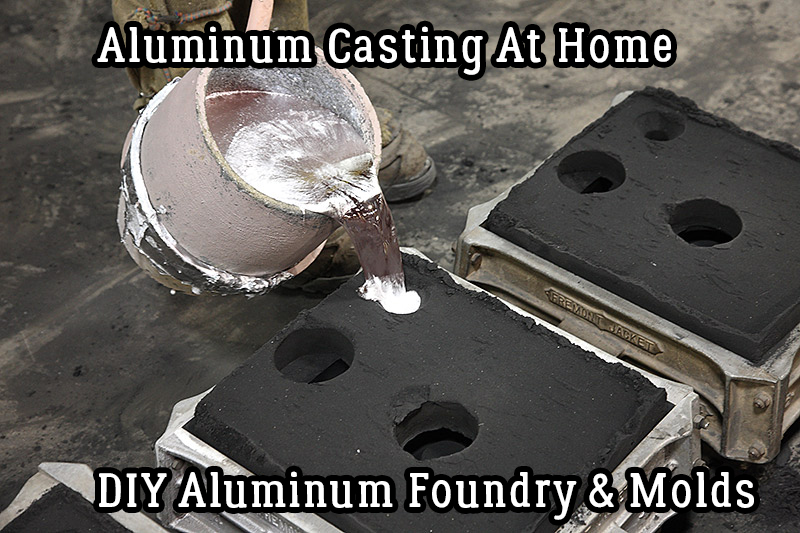
Future Patterns in Industry
While the aluminum Foundry industry has actually typically relied on conventional manufacturing methods, the assimilation of additive manufacturing is poised to redefine manufacturing standards. This innovative approach enables for the creation of intricate geometries that are usually impossible to attain through typical casting methods. By allowing quick prototyping and decreasing product waste, additive manufacturing improves efficiency and sustainability within light weight aluminum foundries. Furthermore, this modern technology assists in customization, enabling suppliers to meet particular customer needs without substantial retooling. As the sector welcomes digitalization, improvements in 3D printing technologies will likely result in quicker manufacturing cycles and minimized lead times. Consequently, the future of aluminum factories is significantly linked with the advantages and abilities provided by additive production.High Quality Control Procedures in Light Weight Aluminum Foundries
Quality assurance measures in light weight aluminum foundries are fundamental to guarantee the honesty and efficiency of actors items. These steps include rigorous assessment processes, which encompass both aesthetic assessments and progressed screening strategies such as X-ray radiography and ultrasonic testing. Monitoring essential criteria, such as temperature level and alloy composition throughout the melting and putting procedures, is vital to ensure the wanted material homes.Furthermore, adherence to standardized procedures, such as ISO accreditations, assists maintain regular top quality. Analytical process control (copyright) techniques are frequently used to analyze production information, enabling the recognition of trends and potential issues early in the production cycle.

Future Fads and Developments in Light Weight Aluminum Casting Techniques
As the aluminum casting market advances, innovative techniques are emerging to enhance performance and item quality. One noteworthy pattern is the combination of advanced automation and robotics, which enhance procedures and reduce labor costs. This shift enables regular precision in casting, minimizing issues and enhancing overall result.Additionally, the adoption of 3D printing innovation for pattern-making is getting grip, making it possible for quick prototyping and the manufacturing of complicated geometries that standard approaches battle to attain. The usage of simulation software application helps with extra exact forecasts of product actions during casting, leading to optimized styles and minimized waste.
Sustainability is also a centerpiece, with initiatives towards recycling aluminum scrap and adopting environmentally friendly techniques in factories. These developments show a dedication to progressing aluminum casting strategies, ensuring boosted efficiency, lowered ecological impact, and adaptability to market needs. The future of light weight aluminum casting promises significant developments that will reshape the market landscape.
Frequently Asked Concerns
What Safety And Security Measures Are Executed in Aluminum Foundries?
Precaution in light weight aluminum factories include individual safety tools, air flow systems, regular security training, emergency situation methods, and keeping an eye on for hazardous materials (Aluminum Foundry). These practices intend to decrease risks connected with heats and possible chemical direct exposureHow Is Waste Managed in Aluminum Spreading Processes?
Waste monitoring in aluminum casting procedures typically involves recycling scrap steel, utilizing correct control for hazardous materials, and using effective filtering systems. These methods minimize ecological influence and advertise resource sustainability throughout the manufacturing cycle.What Ecological Regulations Influence Aluminum Foundries?
Environmental laws significantly impact aluminum factories by imposing standards on discharges, garbage disposal, and energy intake. Conformity guarantees lasting methods, decreases ecological impacts, and promotes the accountable use resources throughout the light weight aluminum manufacturing procedure.How Do Factories Deal With Tools Upkeep and Services?
Shops normally carry out arranged maintenance programs, performing normal evaluations and repair work to ensure devices runs efficiently. They might employ specialized professionals and make use of anticipating maintenance innovations to lessen downtime and improve general operational efficiency.What Are the Regular Lead Times for Light Weight Aluminum Spreading Projects?
Normal preparation for light weight aluminum spreading jobs can vary substantially, typically ranging from a few weeks to a number of months. Factors influencing these timelines include task complexity, product schedule, and the Foundry's present work and capacity.Sand spreading is an extensively utilized method in light weight aluminum production that involves developing a mold and mildew from sand to form the steel. One of the most enduring techniques in metal spreading, sand casting provides a reputable technique for creating aluminum components. The sand spreading process provides a distinct collection of benefits and disadvantages that affect its application in light weight aluminum production. Often outweighed by die spreading, investment casting plays a considerable duty in aluminum Foundry manufacturing by enabling the creation of elements with great details and intricate geometries. Waste monitoring in light weight aluminum spreading processes normally includes reusing scrap steel, utilizing proper containment for hazardous products, and utilizing reliable filtering systems.
Report this wiki page